PROJECT PRE PRODUCTION
This portfolio documents my pre-production journey from September 2024 to December 2024. Starting my third and final year at Film School was a nerve-wracking experience, as I had taken a gap year between my second and third year to welcome my first child. I shared my initial concerns with several of my tutors, fearing that I might not gain the necessary experience to complete my degree to the highest standard. However, my worries were soon put at ease when my tutor reminded me of the hard work and dedication I had demonstrated during my second year, which led to the distinction of becoming an RTS Award winner.
After a year of uncertainty about my return, I quickly reintegrated into the course and embraced the challenges of my final year. Since then, I have successfully taken on five university projects as well as one external production, reaffirming my passion and commitment to the field of film and Tv production.
Synthasis Portfolio
by Ryleigh Cockcroft
Arden Project
The Hauntings - Script Supervisor

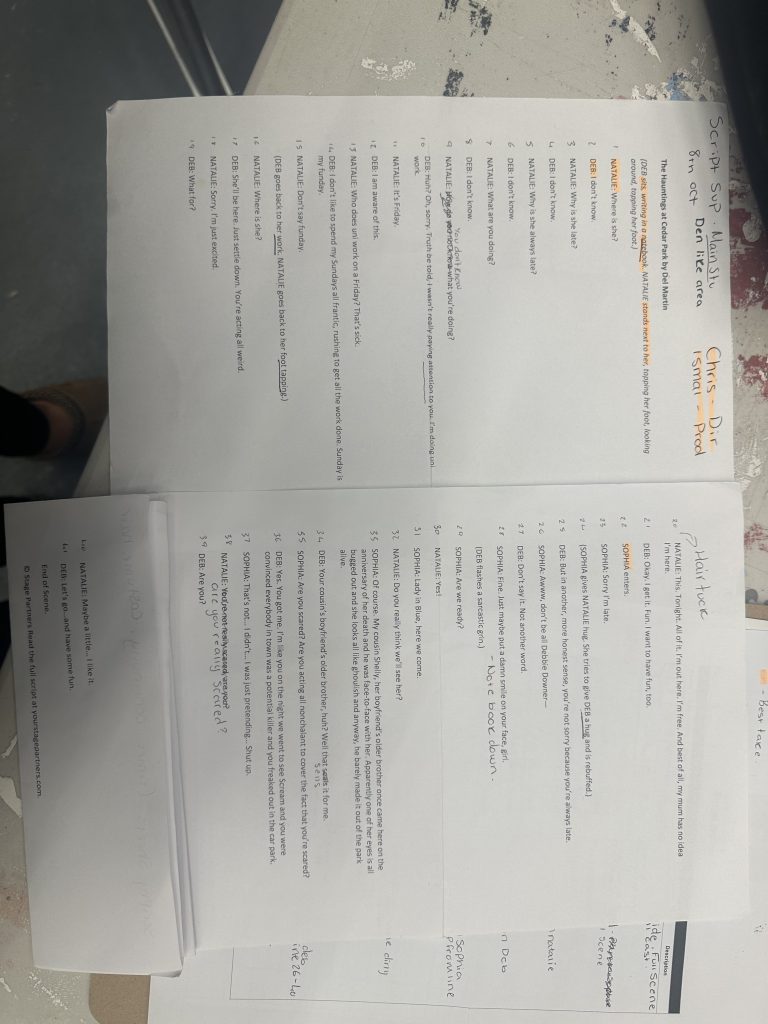
As a Script Supervisor, meticulous attention to on-screen details is crucial. The image on the left showcases my on-set work, which required thorough preparation through a comprehensive script breakdown. This process involved documenting character actions, costumes, and other key elements to ensure continuity. Careful script analysis is a vital step in pre-production. As demonstrated in the image on the right, I meticulously numbered each line of the script for clarity and ease of reference. Additionally, I annotated the script’s action to guarantee consistency across every shot captured. As this is not a role that i specialise in if i was to take this on again i would research further into techniques such as tram lines which are supposed to create an easier job for the editor.
That Continuity Guy: Continuity 101. (2025). Thatcontinuityguy.com. https://www.thatcontinuityguy.com/continuity101/?paged=4
Folks Night - Producer
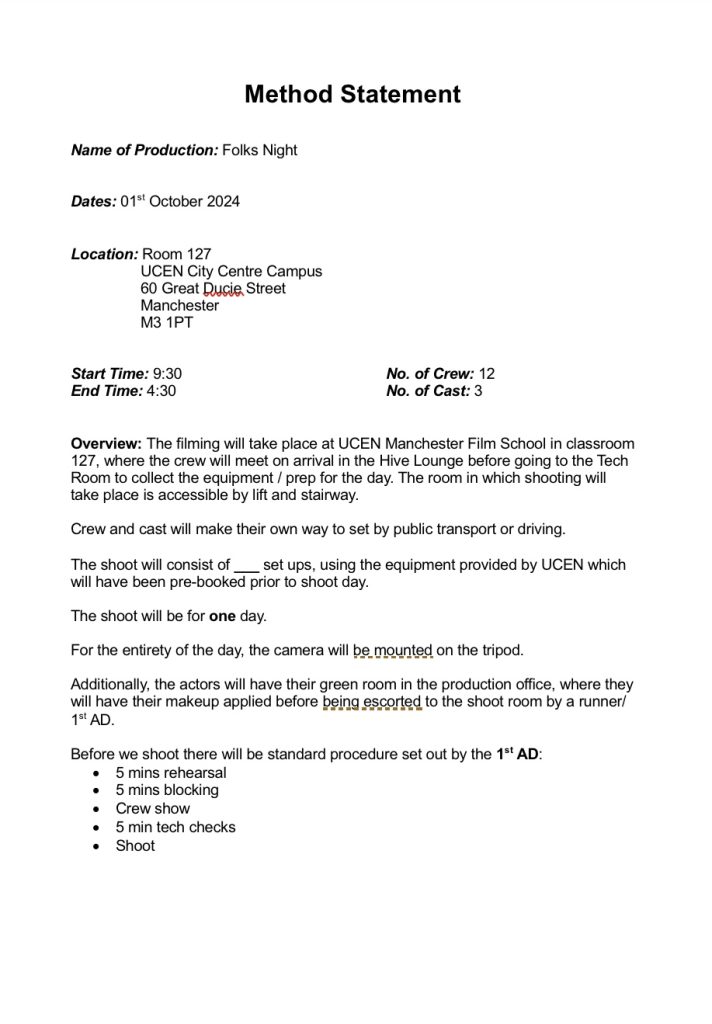
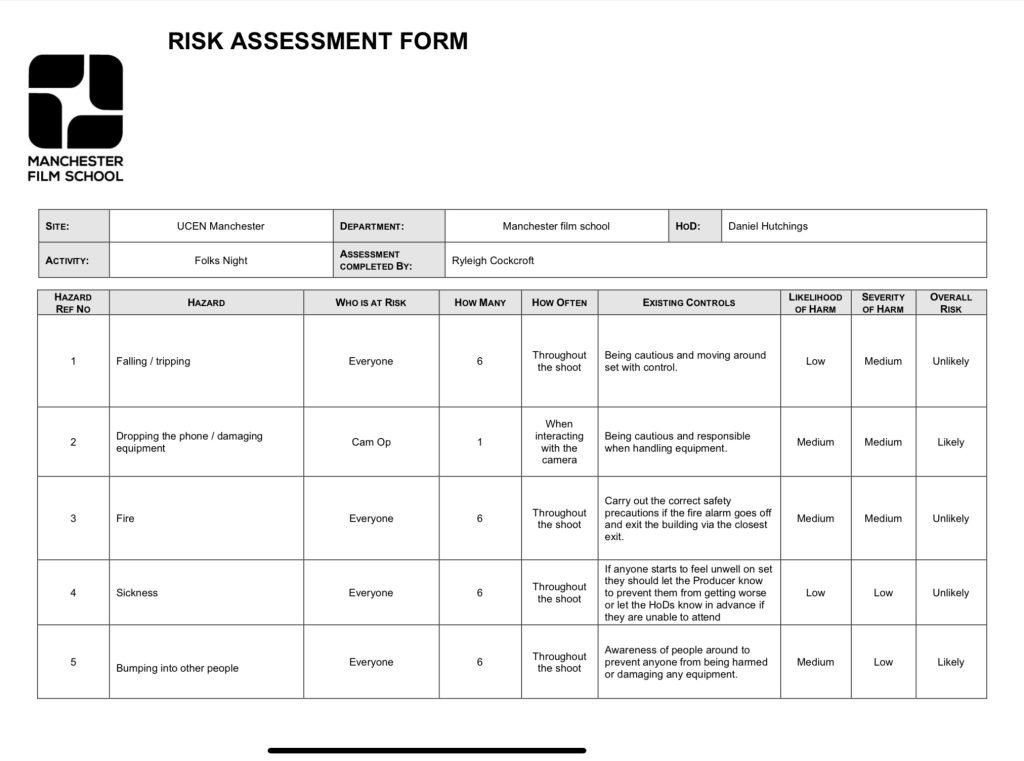
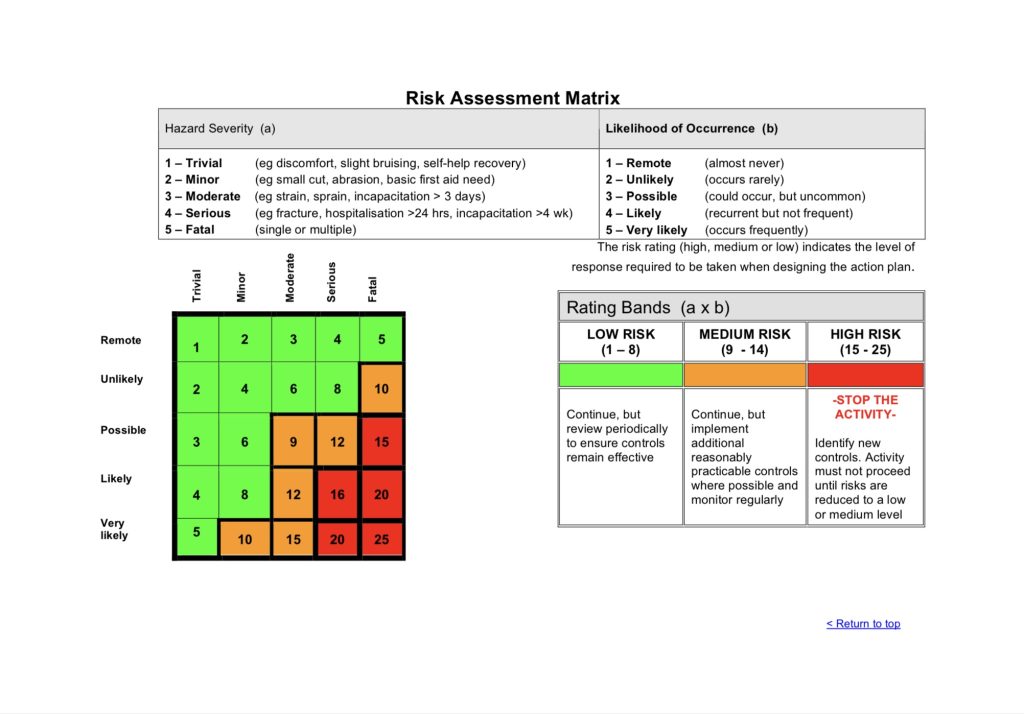
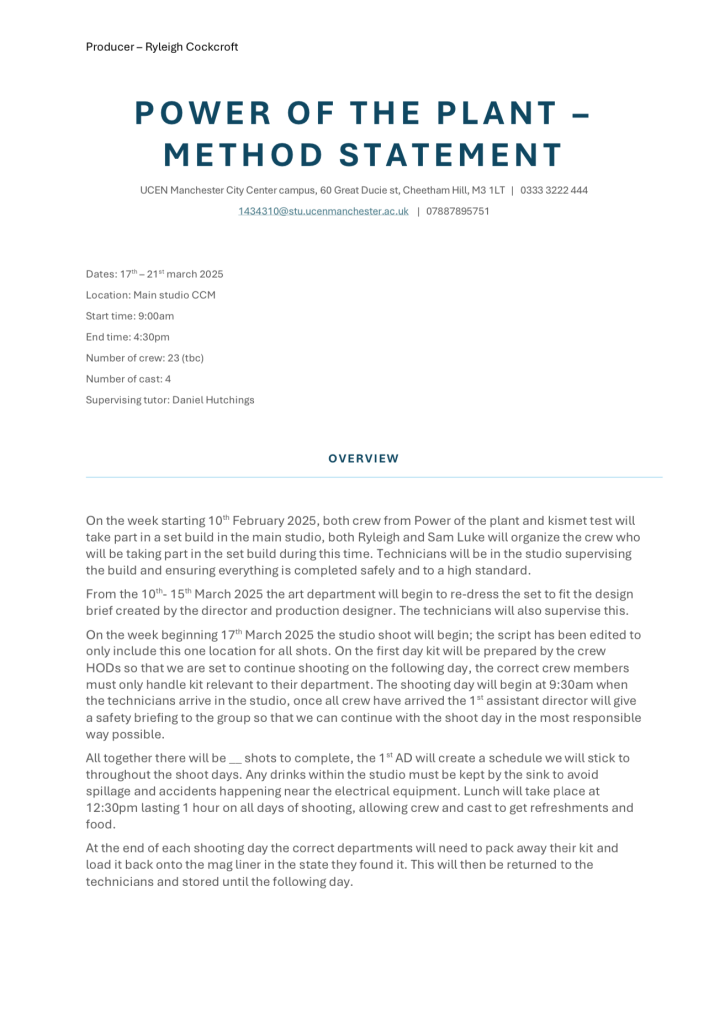
During my work with The Arden, maintaining consistent and proactive communication with the actors was essential. As shown below, I developed a detailed method statement outlining the logistical plan for the filming day. An integral component of pre-production for any project is conducting a thorough risk assessment. This process allows for the identification and evaluation of potential risks while establishing clear procedures to mitigate them effectively.As part of my role as producer, I was responsible for securing a makeup artist after our originally booked artist canceled the day before the shoot. I promptly contacted the Head of Department, who assisted in finding a student available on short notice, successfully securing the necessary support in time for production. Additionally, I ensured that all relevant crew members submitted their kit lists promptly, allowing me to coordinate the appropriate equipment bookings with the technicians’ team.
nyfa. (2023, June 22). The Role of a Film Producer: Their Responsibilities in Filmmaking. NYFA. https://www.nyfa.edu/student-resources/role-of-a-film-producer/
University Projects
Road To Accy - Producer
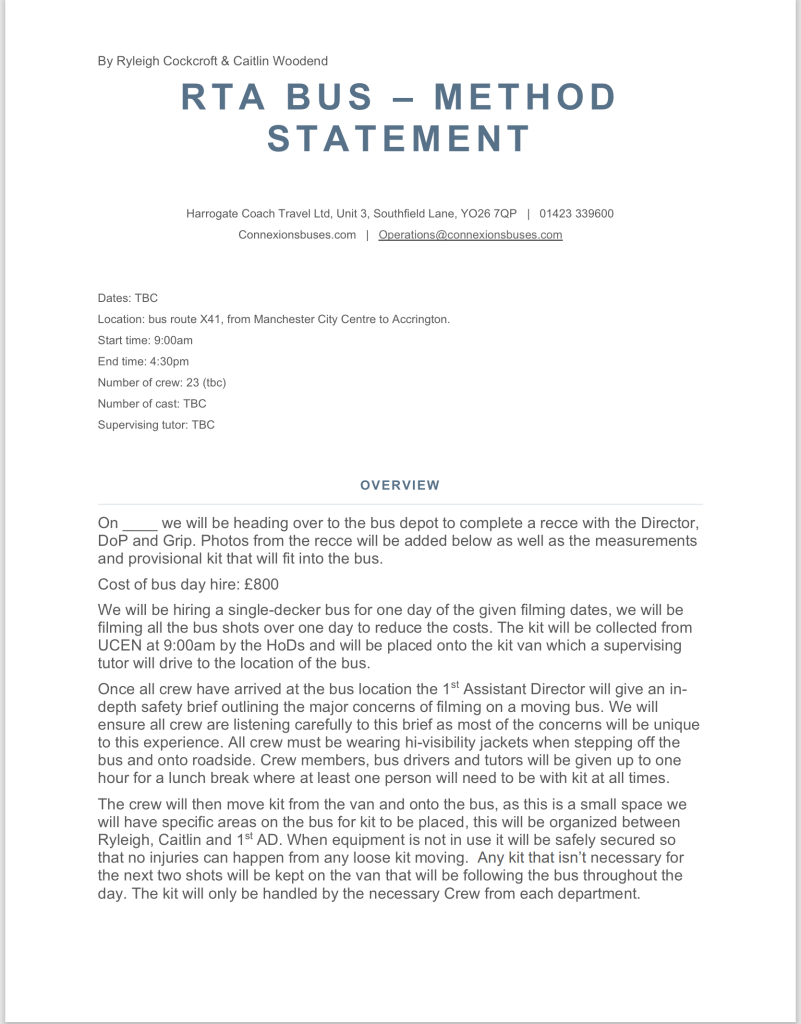

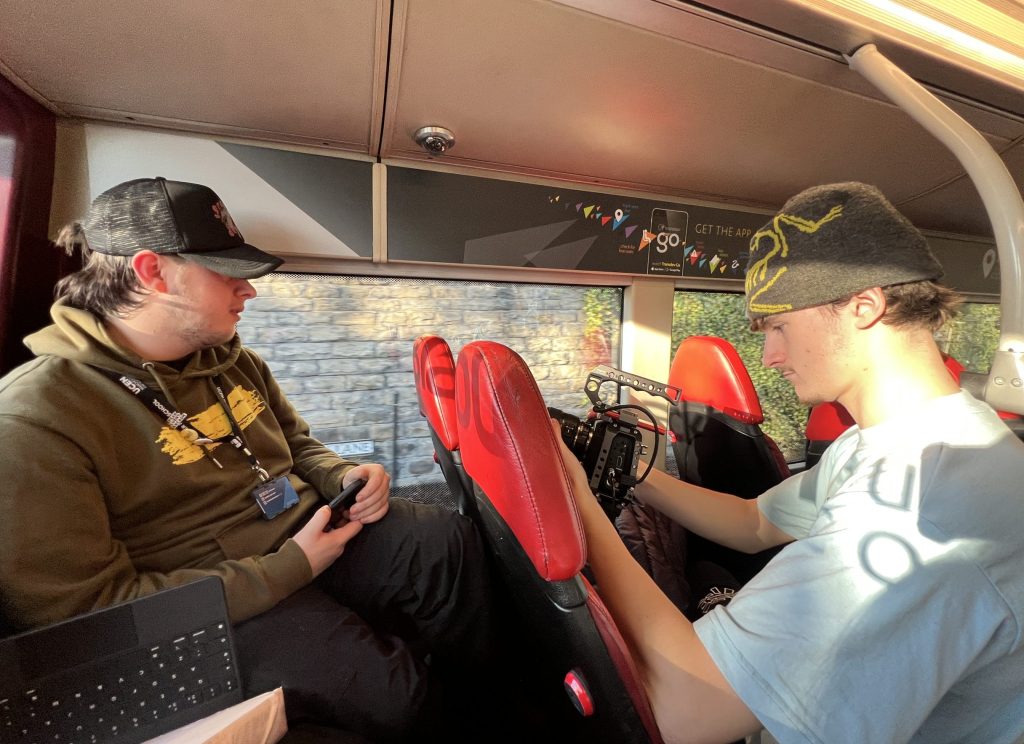
Road to Accy is the project with the most extensive pre-production phase, driven by the ambitious goal of filming aboard a moving bus. This unique concept required substantial research to ensure a safe and efficient shoot. . Building on my findings, I developed a comprehensive method statement detailing the necessary procedures to ensure the day runs smoothly. This document outlines the key activities planned for the shoot day, including strategies for safely managing the expensive equipment the crew will be utilizing onboard the bus.
As of January 9th, we have progressed to Pre-Production Meeting (PPM) 3. These meetings are a critical foundation for aligning the team, reviewing progress, and ensuring that all members are well-informed of their roles, responsibilities, and deadlines.
PPM 1 was attended by myself, my co-producer, and the director. A key topic of discussion was the casting decision for the lead role. Since Zac, the scriptwriter, had originally written the character based on his own experiences, he envisioned playing the role himself. However, my primary concern was his lack of formal acting training and on-camera experience. I advocated for considering a professional actor or comedian, believing they could bring greater depth and nuance to the character. Recognizing the sensitivity of the matter, I collaborated closely with Zac to create a revised character brief that no longer mirrored his own persona, allowing him to let go of his initial vision.
PPM 2 expanded the team to include our Director of Photography (DoP), Will, and our 1st Assistant Director. One of my objectives for this meeting was to organize a proof-of-concept shoot. Will and Zac undertook a test filming session on the X41 bus route to develop a preliminary visual representation of the script’s tone and style. Additionally, my co-producer, Caitlin, and I provided updates on the casting process. We had conducted meetings with two highly enthusiastic actors and were confident that we had identified the most promising candidate to bring the lead role to life.
In PPM 3 we discussed the progress of pre production before breaking for Christmas, we also met with a counsellor from Accrington who was interested in investing into the film. She managed to secure us tickets to an Accrington Stanley game where we will shoot some promotional content for the film.
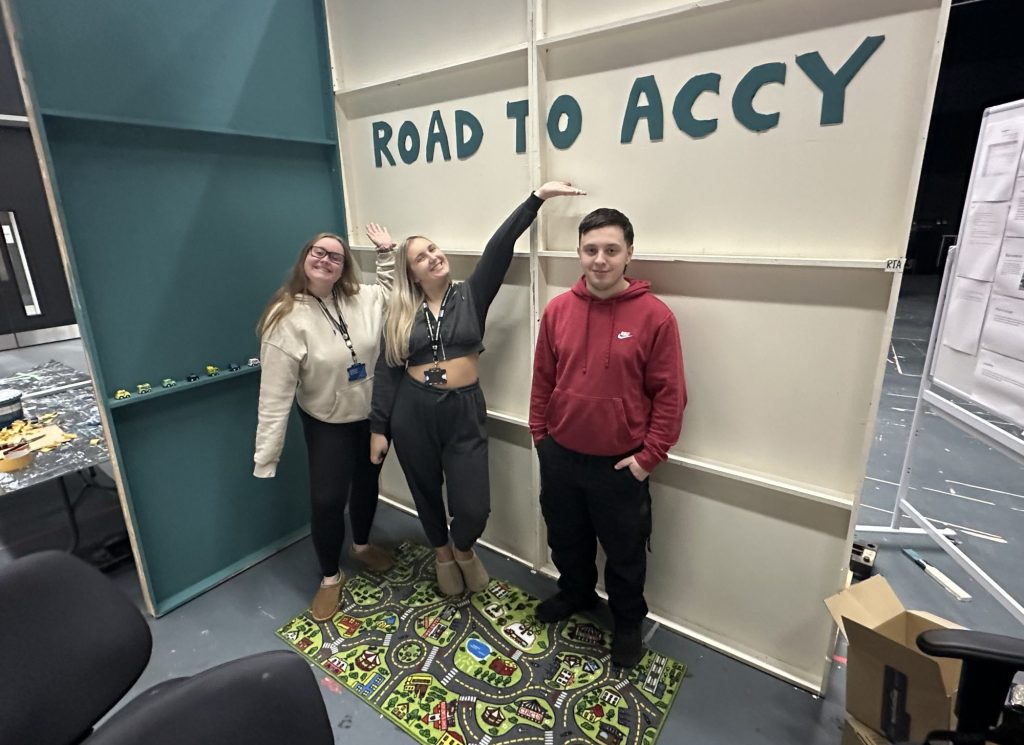
Developing a comprehensive budget plan is a critical component of any successful project as i have learnt it is much more nessisarry to have a budget plan when handling a university funded shoot so that everyone is aware where the money is being spent. For Road to Accy, we were fortunate to secure an initial budget of £1,500 after pitching to our tutors. This funding was strategically allocated equally, to securing locations and compensating actors. However, as the cost of renting the bus exceeded initial predictions, additional resources from our fundraising efforts allowed us to expand the location budget, ensuring we met the financial demands without compromising the production’s quality.
In addition, effective scheduling is vital to the smooth production of a project. A well-structured schedule ensures that crew members are fully aware of where they need to be and when, minimising confusion and enhancing productivity. Clear timelines and organized planning help to optimize time management and prevent costly delays in an already tight schedule. As showcased here, our schedule includes pre-production meetings and fundraising events, providing a clear base to track key milestones and coordinate team efforts efficiently. A well-managed schedule not only drives success but enhances communication within the team.
Team, F. (2022, May 19). How to Create a Film Production Schedule | Filmmaker Tools. Filmmaker Tools. https://www.filmmaker.tools/how-to-create-a-film-production-schedule


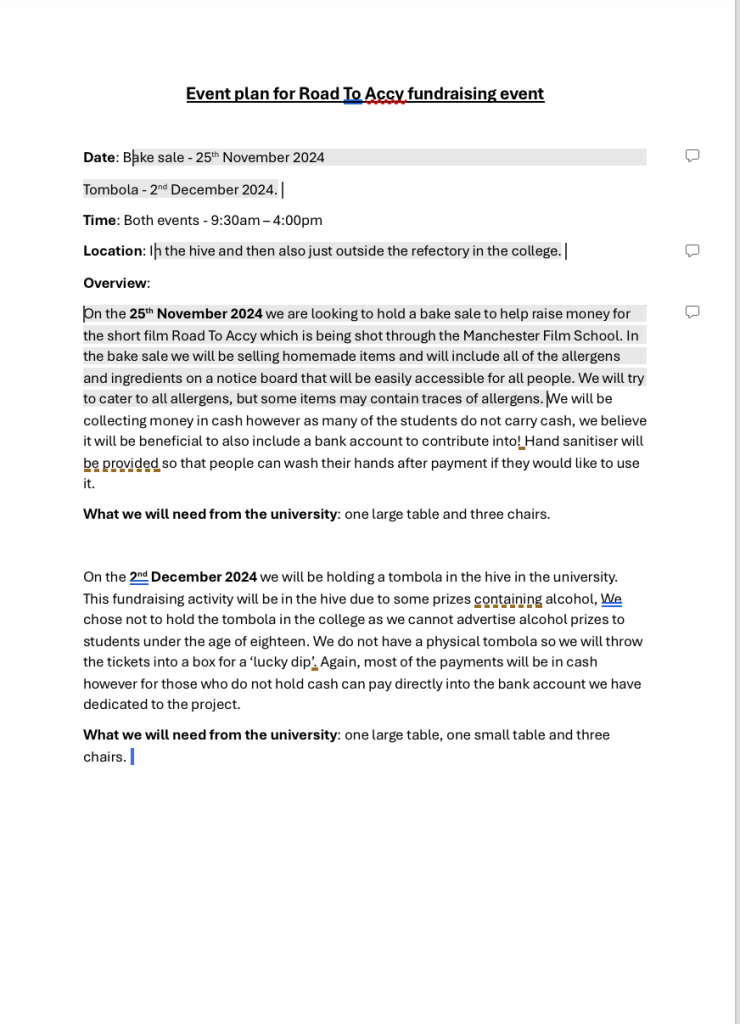
As shown to the left, I created an event plan for the fundraising events I organized. Drawing from my previous experience producing a university project in my second year, I recognized that interactive and engaging fundraising activities tend to resonate more with students. This insight led me to incorporate a tombola, which proved highly popular. Developing a detailed event plan ensured the student union had a clear understanding of our activities and allowed us to address important safety considerations. For the bake sale, I prepared a comprehensive allergen list, and since the tombola included alcoholic prizes, we restricted it to university premises, ensuring that all participants were 18 or older. Implementing these safety measures enabled the events to proceed successfully.
from these fundraising events we managed to collect over £700.
According to the script, the protagonist visits multiple locations on his journey to Accrington. To efficiently manage this aspect of production, I created a comprehensive list of all required locations along with their contact details, allowing Caitlin and me to divide the responsibility of reaching out to them. One of the key locations central to the storyline was Accrington Stanley Football Club. I promptly initiated contact with Robert, the club’s liaison officer, to establish a working relationship. His response was highly supportive—he generously donated six tickets for a football match to contribute to our tombola fundraiser. Additionally, he provided valuable guidance on securing the necessary filming permissions and offered the exciting opportunity to host the film’s premiere at the club.
Securing this partnership was a significant achievement, reflecting strong community and business engagement. Since our initial contact, I have maintained regular communication with the club’s staff. In January, we were invited to attend a major game, providing an excellent opportunity to capture promotional content for the film.
As the filming dates approach, I will prioritize building a strong working relationship with Kimberly Whitehead, whose expertise and resources will be instrumental to the film’s success. Additionally, I will ensure that the entire crew remains informed about the progress of the shoot and that all tasks are completed to a high standard. A key focus of mine will be adhering to health and safety regulations, particularly concerning filming aboard a moving bus. To address this, I will maintain clear and consistent communication with Ash, the 1st Assistant Director, ensuring she provides the crew with regular safety briefings and guidance specific to the unique challenges of filming in a mobile environment.
The Crimson Cross - Producer


Initially, The Crimson Cross was not a project I planned to take on due to its ambitious script and the significant dedication it required. I offered to produce the film on the condition that I would have a reliable co-producer, though the director was initially hesitant. By the time of the first pre-production meeting, the project still lacked a producer, so I reiterated my offer and reached out to Cara-Leigh, who responded positively and agreed to join me as co-producer. While I was initially apprehensive about working with Cara-Leigh—having returned from a year out of education, I was unfamiliar with her personally and uncertain about her working style – I saw an opportunity to collaborate and strengthen the production team. Our combined efforts ultimately improving the project’s direction and workflow, highlighting the importance of adaptable leadership in managing complex productions.
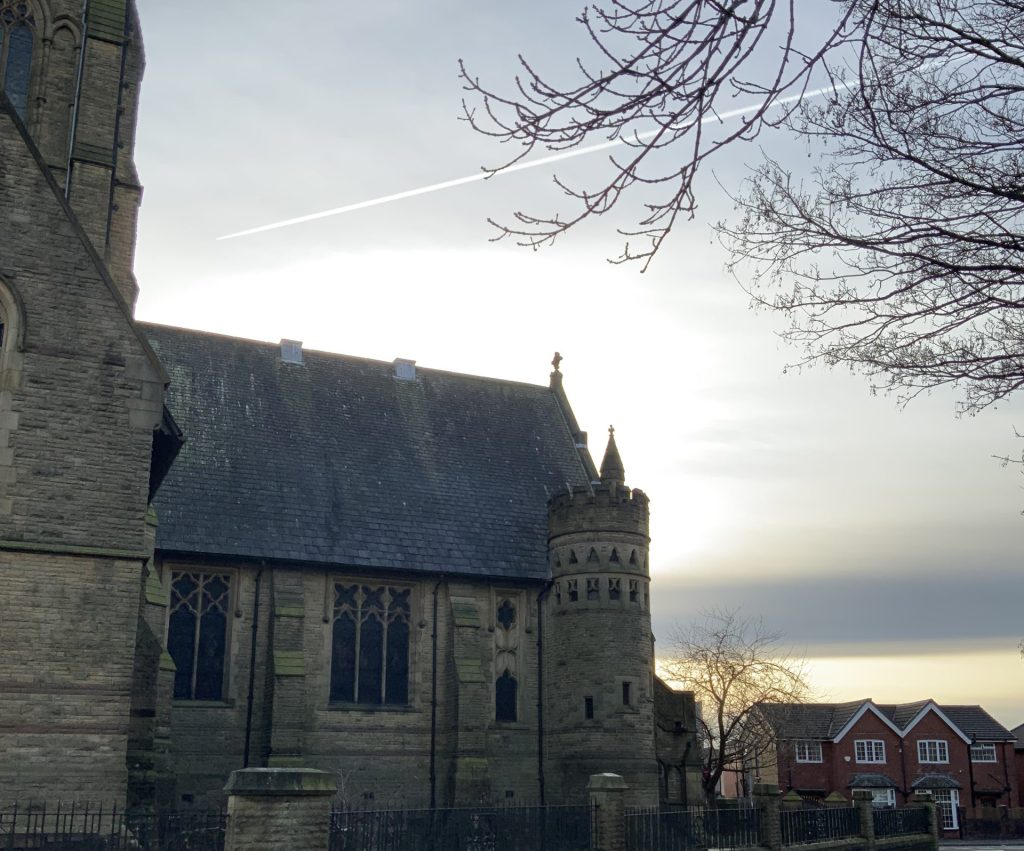
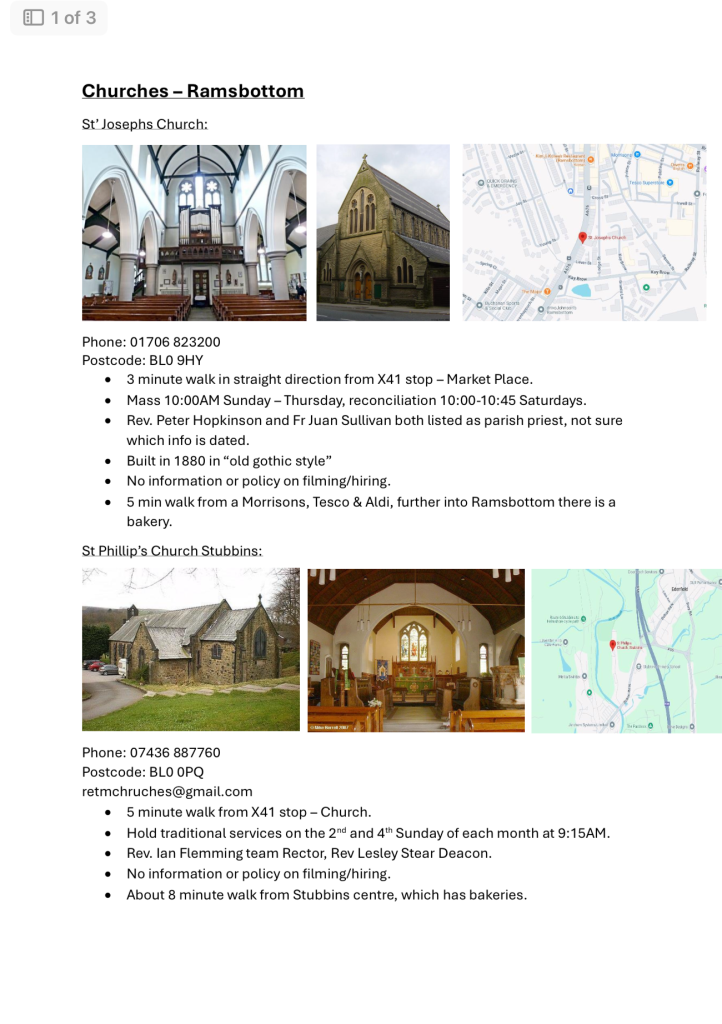
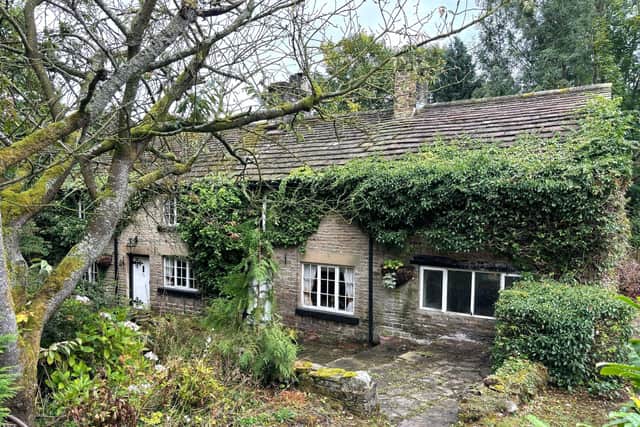
After completing my final script breakdown, I began researching 1600s – style cottages. This process proved challenging, as many locations I identified were ideal for exterior shots but had interiors that had been modernised. During a meeting with a staff member at St. Edmund’s Church, I received suggestions for cottage – like buildings that could potentially meet our needs. I forwarded these leads to Jack Turk, my production assistant, and tasked him with conducting further research on the properties. Delegating responsibilities like this is a crucial aspect of effective producing. By assigning tasks strategically, I ensure that I can manage my workload efficiently while keeping the project on track. Understanding when and how to distribute tasks enhances productivity, streamlines decision-making, and maintains focus on the production.
Scouting for a church location has been one of the most straightforward aspects of my role thus far. The very first church we visited proved to be an ideal setting for the shoot, perfectly aligning with the creative vision of the project. Additionally, we were fortunate to receive a generous offer from the church, providing the space at a discounted rate for the two days of filming required. In early December, I was informed by Cara that she would be stepping down from her role as producer due to personal reasons. This initially raised concerns, as I recognized that the scope of the project was too large for me to manage alone. Fortunately, Caitlin, an assistant producer, expressed her willingness to step into the role and provide the necessary support. Having previously collaborated with Caitlin, I was confident in her strong work ethic and our effective working dynamic, which immediately put me at ease.


I then encountered a significant challenge when the fundraiser we had planned two weeks in advance was canceled the day before the event due to insurance-related issues. While this setback temporarily impacted our fundraising efforts, I quickly took action to reschedule the event for early February. This timing will ensure we have sufficient funds to cover essential expenses, including art direction and costume design.


Power Of The Plant - Producer
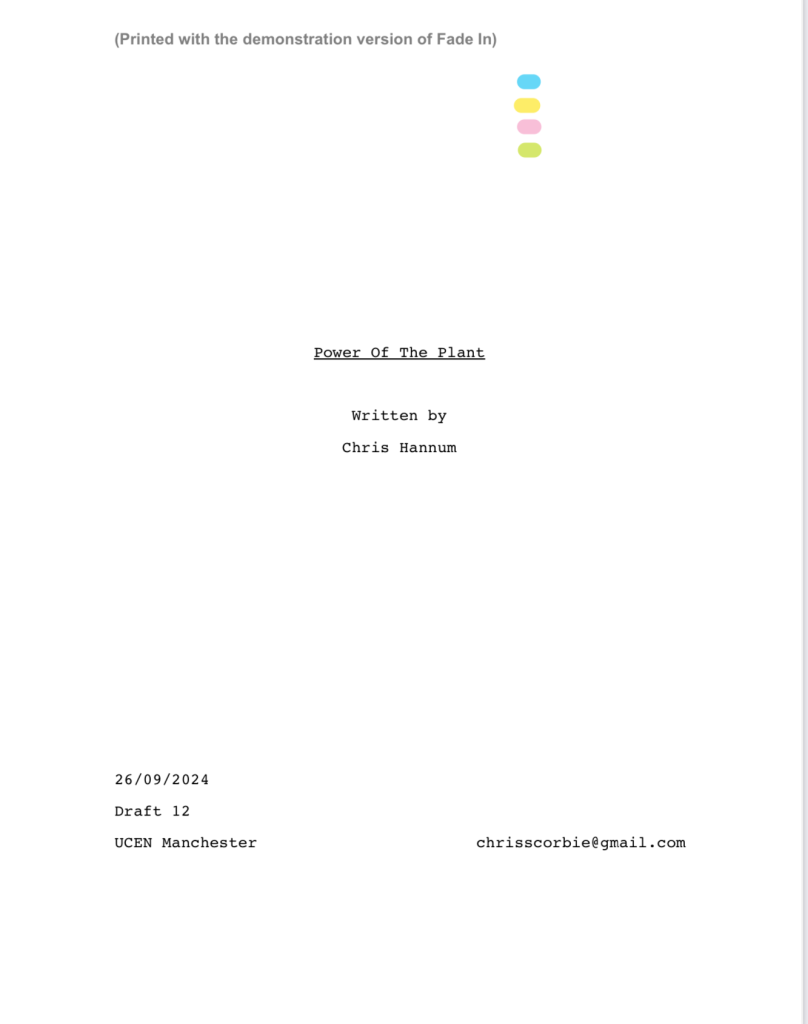
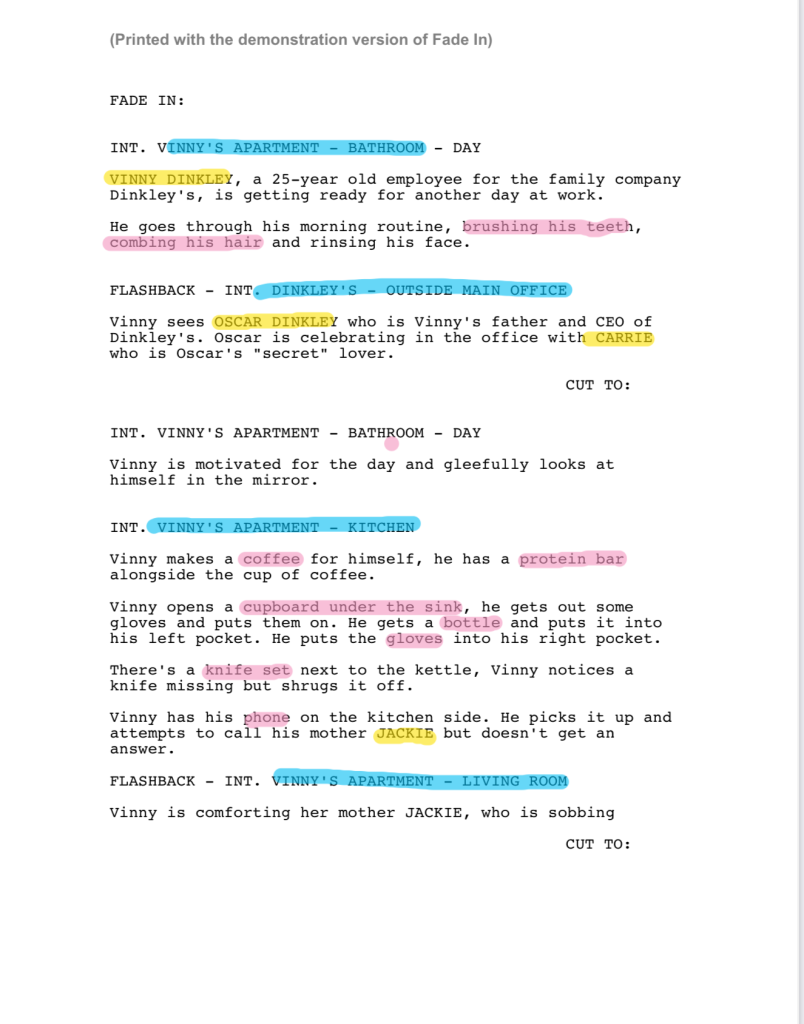
Producing Power of the Plant has been my most challenging project of the year so far. After collaborating closely with Chris, the director and writer, on the pitch presentation, we received the disappointing news that the project had not been selected for university funding. This setback affected Chris’s confidence in both his script and his abilities. Drawing on my experience working on an independent film that won a Royal Television Society Award in 2023, I was able to reassure Chris and restore his confidence. I explained that a lack of funding does not necessarily belittle the scale or quality of a production; it only emphasises a stronger focus on budget-conscious decision-making. In my experience, students involved in independent films often demonstrate even greater motivation, turning financial constraints into opportunities for resourcefulness.
After completing my initial script breakdown, I arranged a discussion with Chris to evaluate the production’s scale and determine what would be realistic within the constraints of our resources. Following this conversation, Chris agreed to edit the script by reducing the number of locations from three to one, making the project manageable within the two-day filming timeframe. Since the primary location would be set in the main studio, I established early communication with the art director to monitor progress on the set design and coordinate the construction schedule. This proactive approach ensured alignment across departments and kept the production on track in the first weeks of production.
During the early stages of pre-production, it became clear that effective communication with this particular crew would be challenging. Despite sending multiple messages in the group chat regarding paperwork deadlines, the required tasks were not being completed, and I received little to no response from the team. Concerned about the lack of progress, I consulted with my tutor, who was able to facilitate more effective engagement with the crew and help advance their efforts toward meeting project deadlines.
Another key challenge I faced while producing this project was assembling a reliable crew. A recurring issue came with securing crew members, and by the week of PPM 3, we still did not have a Director of Photography (DoP). Finding an available and qualified candidate proved increasingly difficult, as many students prioritized funded films over independent productions—an issue I had not encountered before.
After reaching out to over ten students, a first-year student, Harley, expressed interest in the role. His talent and impressive portfolio stood out; however, he lacked the on-set experience necessary to fully take on the position. To address this, Liv, the assistant producer, stepped up to fill the role of DoP, with Harley’s support as her assistant. This collaborative solution allowed us to maintain quality while fostering mentorship within the team.
Yet Another significant challenge I encountered with Power of the Plant was the lack of response to our casting calls. Given the previous difficulties with crew recruitment, I enlisted Susie Garner-Jones to assist with casting. She crafted detailed and engaging casting calls; however, as this was an unpaid project, we struggled to attract interest. The script required four characters, and without funding, we were unable to offer payment. To overcome this, I suggested targeting entry-level actors seeking to build their showreels for future auditions.
Despite posting the casting calls in Facebook groups geared toward aspiring actors, responses remained minimal. To improve our reach, I encouraged Susie to contact with Emily Berry, a former student specializing in casting. Emily provided guidance on more proactive platforms, which led to a significant increase in auditions – tripling the number of submissions we had received previously. This approach highlighted the importance of leveraging networks to achieve successful casting in independent productions.



Since PPM 3, the crew has been collaborating effectively to develop a cohesive plan for the set construction and design. Early in the planning stages, I proposed coordinating with the Kismet Test crew to share a set build. By combining efforts, both teams could efficiently complete the set construction process over just one week. I reached out to Sam Luke, the producer of Kismet Test, to confirm his interest in this collaboration. Following his agreement, I created a schedule incorporating the set design timeline and the designated shooting week, ensuring that all crew members were aligned on their availability and responsibilities.
As shown to the left, I have compiled a crew list. While I’ve always created crew lists for my projects, my experience as a producer has taught me the importance of including detailed contact information in a centralized spreadsheet. This provides quick and easy access for myself, the director, and the assistant director, ensuring efficient communication throughout the production.
Despite a challenging start, I am confident that the crew is now prepared to turn things around. With only nine weeks remaining until filming, maintaining consistent oversight of progress and staying proactive will be key to ensuring a successful outcome.
External Work
Two - Producer

Two is a production I joined in the past month, stepping in to help revitalise the project at its halfway point. The crew had lost momentum, prompting the director and producer to approach me in hopes of injecting new enthusiasm and energy into the team. In early December, Taran, the writer and director, expressed his concern after losing passion for one of his long-time scripts. Hearing about the project’s decline was disheartening, and I was eager to offer support by joining as co-producer alongside Caitlin.
My first step was to assess the current state of the script and review the progress made so far. With the last filming dates taking place in September 2024, it was unsurprising that the crew’s motivation had dipped – raising my concern about whether I could successfully reignite their commitment. I began by gathering availability data through an online survey to identify the best dates for actors and crew to resume production. Next, I reached out to the editor, requesting a preview of the completed footage. I believed that showcasing the impressive results of their work would reignite the team’s excitement and drive to move forward.
As April approaches, my focus remains on maintaining a positive and motivated atmosphere. Since this is an independent production, I want to ensure the team finds joy in their creative process while continuing to deliver high-quality work.